Big ideas.
Built to
work.

Custom software, business systems, and AI-powered tools. From your first idea to a focused, working release.

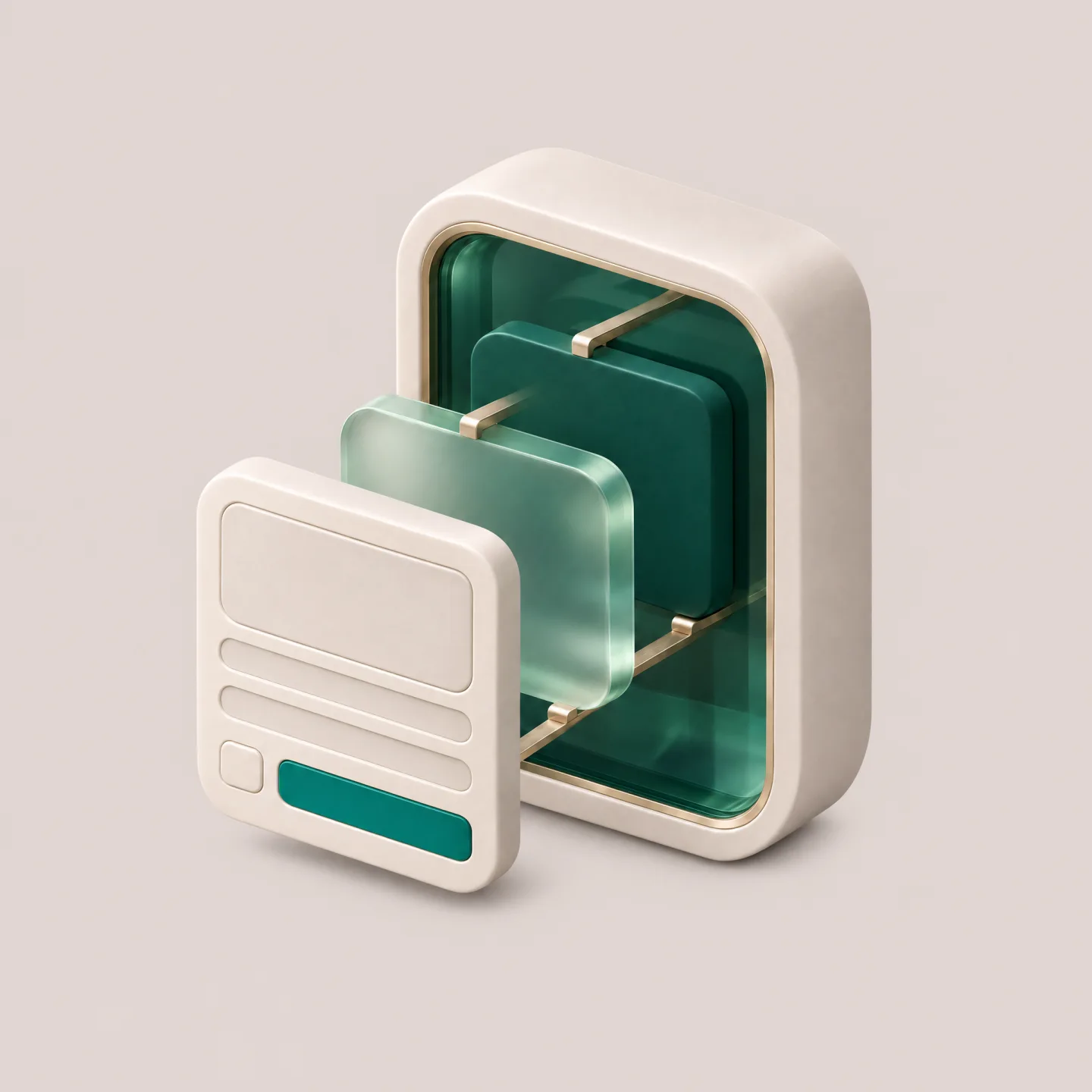
Sculptural software layers in ivory ceramic and teal glass, aligned to become a complete product.

See what
you could build.

Start with the people, the task, and the result you need. Explore a direction below.

Turn your product idea into a focused first release.

For founders and product teams: give your first users a useful experience, test the idea, and learn what deserves to come next.

MVPs · Subscription products · Product prototypes

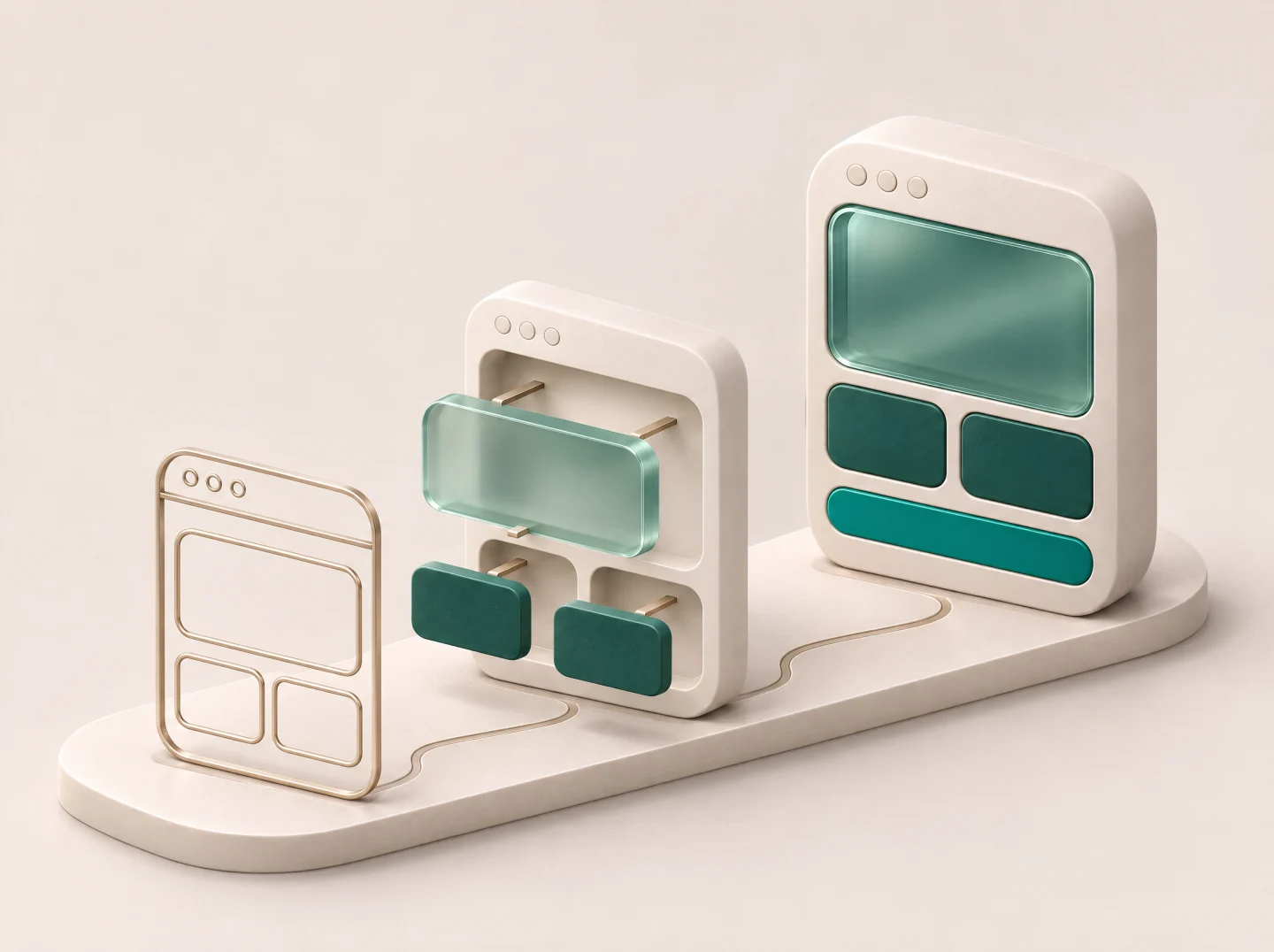
Three stages of a product: an open frame, modular components, and a complete software interface.
  1. Shape the ideaDefine one valuable task.
  2. Build the first releaseMake that task work well.
  3. Learn from real useDecide what deserves to follow.

Make a repeated process easier to complete.

Bring records, documents, and decisions into one place. Give customers and staff a clear next step, with access defined for each user.

Client portals · Internal tools · System integrations

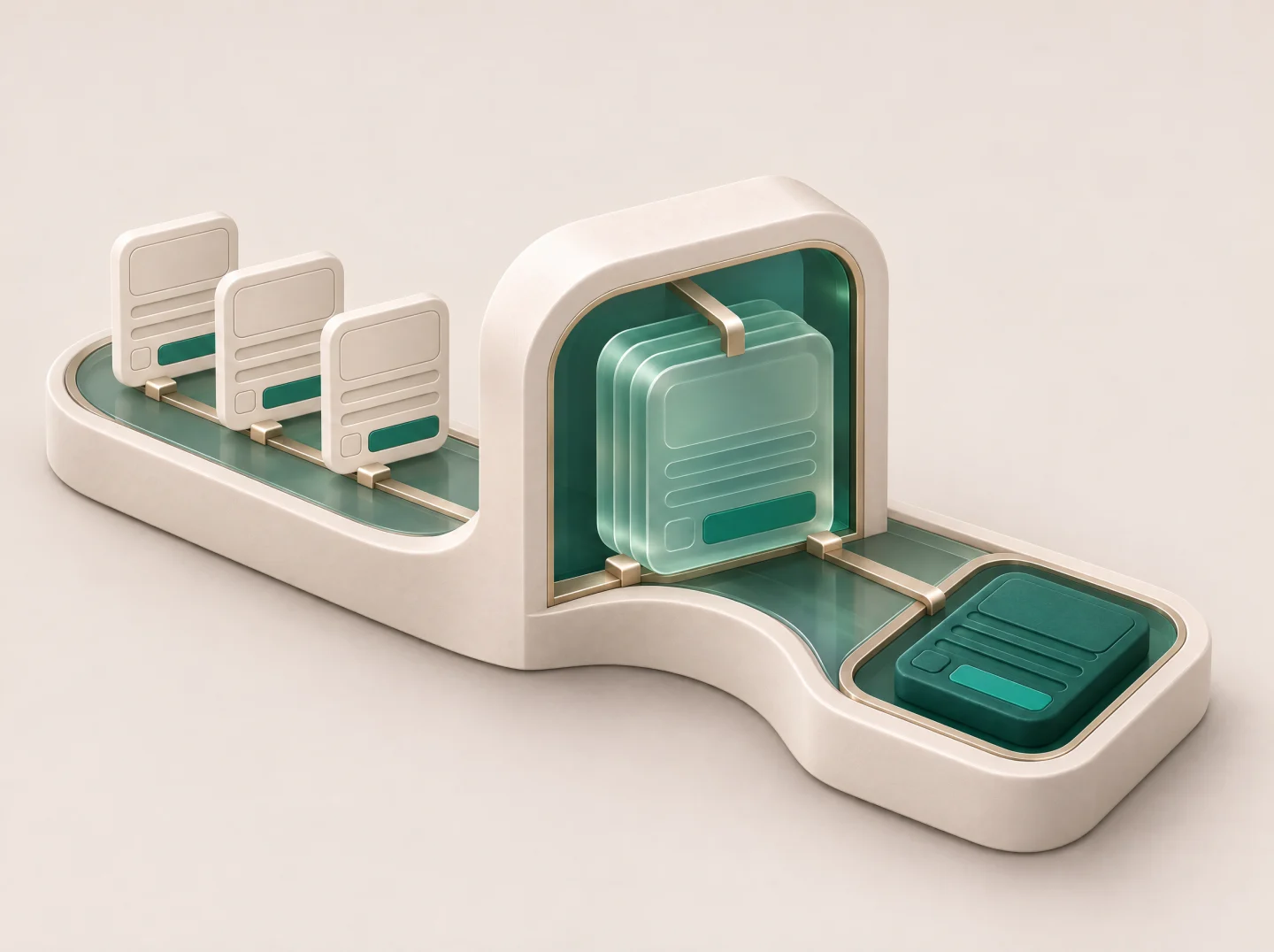
Service documents collected into one record, passing through review to a completed record.
  1. Assemble the recordPut the right details together.
  2. Review & approveGive the decision an owner.
  3. Update the statusMake the next action visible.

Put useful information into action.

Build AI-powered experiences for customers or your team. Help people find answers in approved sources, prepare a response, or move a task forward—with human review where it matters.

AI platforms · Knowledge assistants · AI agents · Workflow automation

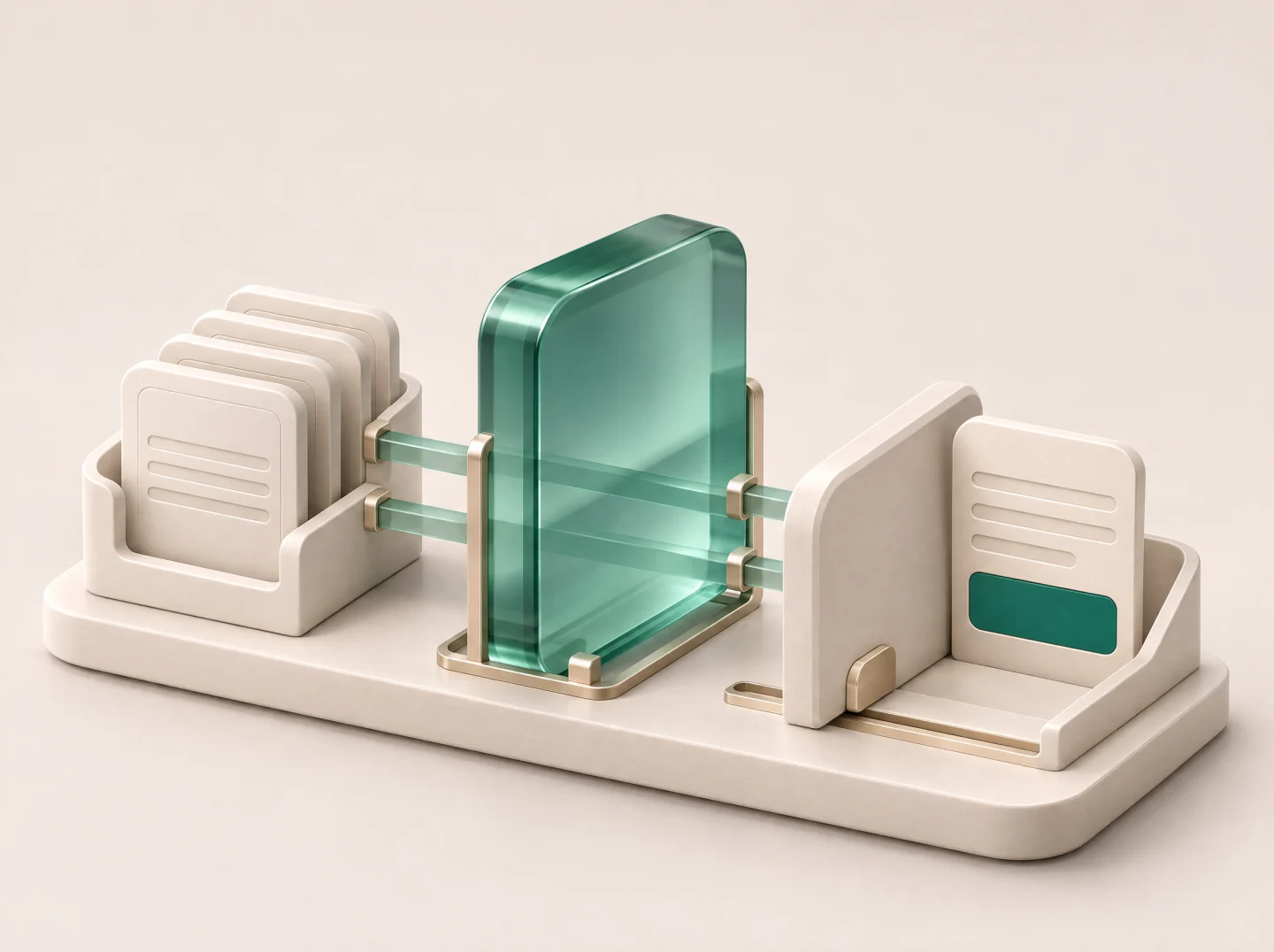
An organized source library connected through a teal glass lens to a separate human-review tray.
  1. Approved sourcesStart with defined information.
  2. A useful draftPrepare a response in context.
  3. Human reviewKeep judgment where it matters.

Ambition.
With a way forward.

A clear scope, working progress, and thoughtful decisions at every stage. Explore how the work takes shape.

Understand the people, the task, and the constraints. Compare existing tools before choosing a custom build.

Agree the first release, user roles, integrations, and what the application needs to do well.

Review working progress. Test the agreed requirements, core journeys, and important failure cases.

Pilot with agreed users, address findings within scope, and hand over the application with clear next steps.

Find the reason to buildDiscovery
PeopleWho needs this?
PurposeWhat needs to work?
A worthwhile
first release
Existing toolsWhat can we use?
SuccessHow will we know?

The right solution starts with the right questions.

Make the first release clearDefinition
Start the task
Review the details
Complete the action
The essential experienceOne clear next step.Primary action
User rolesIntegrationsAcceptance criteria

An agreed experience, with boundaries everyone understands.

Review working progressDevelopment
Build. Review.
Refine.
Test against the agreed scope
  • The core user journey
  • Roles and access
  • Connected systems
  • Errors and recovery

Progress you can review, against requirements you agreed.

Prepare for real useRelease
PilotAgreed users
ReviewFindings in scope
HandoverClear responsibilities
Build a useful foundationLearn what deserves
to come next.

Ownership, hosting, operating costs, and support are defined in your proposal.

Find your
starting point.

A few choices can bring the next step into focus. Explore a direction for your project—no contact details needed.

A prototype makes an idea tangible. A proof of concept tests an uncertainty. A first release puts a useful task in people’s hands.

Discuss your starting point

Every proposal defines the scope, investment, timing, ownership, hosting, and support responsibilities.

Good questions.
Clear answers.

Start with what you know.
Discovery helps clarify the rest.

Could an existing tool solve the problem?

It could. We compare configuration, integration, and custom development options during discovery. Building from scratch should have a clear reason to exist.

Can you work with our existing software?

We can explore extensions and integrations. Access, APIs, data quality, licenses, and the condition of existing code affect feasibility. Those are assessed before integration commitments are made.

How do you determine price and timing?

We consider the first release, user roles, integrations, design, testing, and launch requirements. A proposal sets out the scope, investment, and timing before work begins. Different projects require different plans.

How would an AI agent work in our business?

Start with a defined task and approved information sources. We would agree what the agent can access and do, how its behavior is tested, and when it must ask a person to review or take over. A simpler automation may be the better fit.

What happens after launch?

Ownership, third-party licenses, hosting, documentation, and ongoing support responsibilities are defined in your proposal. Any continuing development or support is agreed separately, so the handover and next steps are clear.

Let’s talk about
your software.

Bring your idea, your challenge, or your next milestone.

Book a Project Call

30-minute conversation · Google Meet